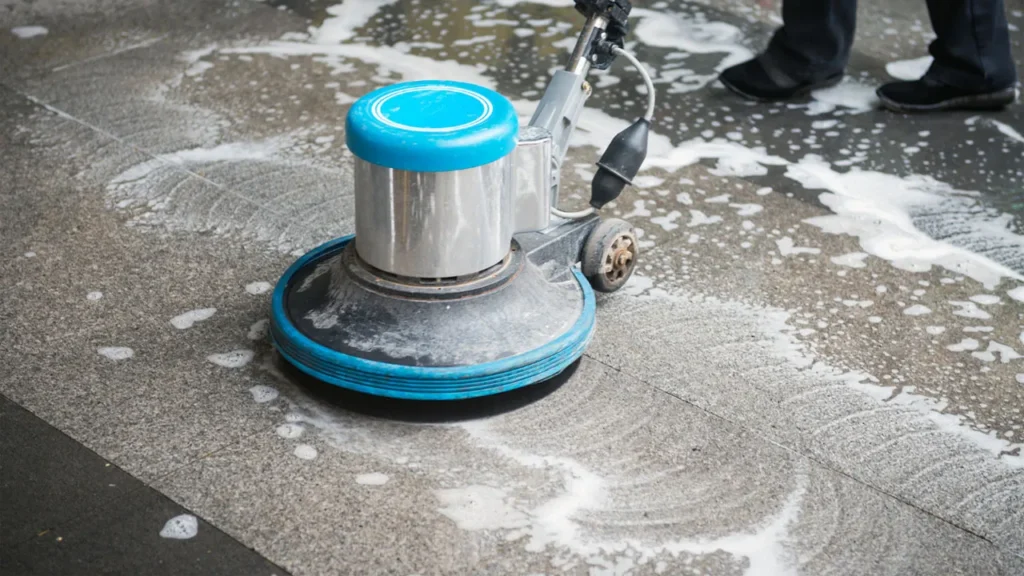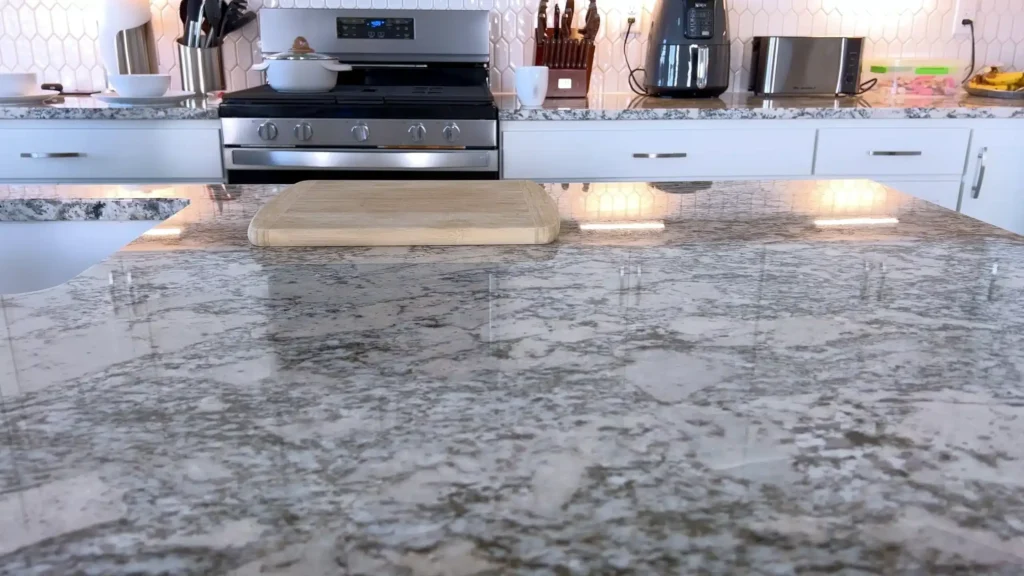

Granite has long been a material of choice for discerning homeowners in Dubai, gracing luxurious kitchens, bathrooms, and living spaces with its unparalleled beauty and robust nature. Its natural patterns, diverse color palettes, and inherent strength make it a cornerstone of sophisticated interior design. Yet, even this incredibly durable natural stone isn’t immune to the challenges of daily life. Spills, splashes, and everyday wear can leave unsightly marks, gradually diminishing the pristine appearance that makes granite so desirable.
While granite is tough, its porous nature means it can absorb liquids, leading to stains that tarnish its grandeur. Understanding these vulnerabilities and knowing when to seek expert help is crucial for preserving your valuable investment.
The Allure and The Vulnerability: Why Granite is Popular (and Prone to Stains) in Dubai
Dubai’s architecture and interior design scene often features high-quality materials, and granite stands out. It’s cherished for its longevity, heat resistance, and the timeless elegance it brings to kitchen countertops, flooring, and decorative surfaces. It truly elevates a space, offering a blend of natural beauty and practical resilience.
However, despite its density, granite isn’t completely impermeable. It has tiny, microscopic pores that can absorb liquids. Think of it like a very dense sponge; given enough time and the right kind of liquid, it will soak it in. This porosity is the fundamental reason why even the most well-maintained granite can develop stains.
Common Stain Culprits in Dubai Homes
Various substances can penetrate granite’s surface and leave a mark. Recognizing the type of stain is the first step toward effective treatment.
Organic Stains (Coffee, Tea, Wine, Food)
These are some of the most frequent culprits in busy kitchens. Spills from your morning coffee, a glass of red wine during entertaining, or accidental splashes from fruits, sauces, and cooking oils can leave dark, discolored spots. If left unaddressed, these can become quite stubborn.
Oil-Based Stains (Cooking Oil, Grease, Cosmetics)
Any fatty substance, from olive oil to cooking grease or even some makeup products, can create a dark, often translucent blotch on granite. These stains spread easily and can be particularly challenging to extract due to their oily nature.
Rust Stains (From Metal Objects)
Metal objects left on granite, such as forgotten cans, old iron pans, or even certain plant pot bases, can leave tell-tale orange or brown rust marks. These occur when moisture reacts with the metal, transferring iron particles into the stone.
Hard Water Stains (From Dubai’s Water)
While not a true “stain” in the sense of discoloration, the mineral deposits from Dubai’s hard tap water can leave a hazy, white film or distinct rings, especially around faucets or in bathrooms. If not wiped regularly, these deposits can build up and become difficult to remove without potentially damaging the surface.
Etching (Misconception vs. Stain)
It’s important to distinguish between a stain and an etching. Etching is caused by an acidic substance reacting with the minerals in the granite, leading to a dull, rough, or lighter-colored spot. Common culprits include lemon juice, vinegar, acidic cleaners, and certain sodas. Unlike stains, etching doesn’t involve discoloration from absorption; it’s actual surface damage. While stain removal focuses on drawing out absorbed material, fixing etching often requires re-honing or re-polishing the granite’s surface.
The DIY Dilemma vs. Professional Expertise
When faced with a stain, many homeowners understandably turn to DIY solutions. However, this approach carries significant risks.
The Risks of DIY Stain Removal
Using the wrong cleaning agents can do more harm than good:
- Acids (Vinegar, Lemon Juice): These will etch your granite, leaving permanent dull spots that are far more challenging to repair than the original stain. This is especially relevant in Dubai, where natural cleaning solutions are popular.
- Bleach and Ammonia: While effective on some surfaces, these can strip away your granite’s protective sealant, making it even more vulnerable to future staining and absorption.
- Abrasive Cleaners and Scouring Pads: These can scratch the polished surface, leading to irreversible dullness and visible damage.
- Ineffectiveness: Many DIY methods simply don’t have the power or chemical specificity to penetrate deep-set stains, leading to frustration and often pushing the stain further into the stone.
- Costly Mistakes: Attempting to fix a stain yourself can often result in damage that requires even more expensive professional restoration.
Why Professional Granite Stain Removal is a Must for Dubai Homes
Opting for a professional service is an investment in protecting and preserving your granite.
- Specialized Knowledge: Professionals understand the unique composition of different granite types and the chemical reactions required to safely lift various stains without damaging the stone.
- Advanced Equipment and Products: They use industrial-grade poultices, specialized chemicals, and extraction tools designed to target and draw out stains effectively. These aren’t readily available to the average homeowner.
- Deep Penetration and Complete Removal: Experts can tackle deep-set, stubborn stains that DIY attempts often leave behind, ensuring complete removal and preventing “ghosting” (faint remnants of the stain).
- Preserving Integrity: Professional technicians know how to remove stains without causing further damage, etching, or altering the granite’s finish.
- Restoration and Re-sealing: Beyond just stain removal, a comprehensive professional service often includes polishing to restore the stone’s original luster and, crucially, re-sealing it. This protective barrier is vital for preventing future absorption and prolonging your granite’s life.
- Convenience and Peace of Mind: For busy Dubai residents, entrusting this task to professionals saves time, effort, and the stress of potential DIY mishaps.
What to Expect from a Professional Granite Stain Removal Service in Dubai
A reputable professional service typically follows a structured approach to ensure effective and safe stain removal:
- Initial Assessment: Technicians will first assess the granite, identifying the type of stain, its depth, and the specific granite variety.
- Surface Preparation: The area around the stain will be prepared and protected to prevent any runoff or accidental damage to surrounding surfaces.
- Application of Targeted Solutions: Based on the stain type, a specialized poultice or chemical solution will be applied. A poultice is a paste that draws the stain out of the stone as it dries.
- Dwell Time: The solution is allowed to dwell for a specific period, enabling it to break down and absorb the stain.
- Extraction and Cleaning: Once the stain is sufficiently drawn out, the solution is carefully removed, and the area is thoroughly cleaned.
- Rinsing and Drying: The granite is meticulously rinsed and dried to ensure no residue remains.
- Re-sealing (Recommended): After stain removal, it’s highly recommended to have the granite professionally re-sealed. This creates a fresh protective barrier against future spills and helps maintain its resistance to absorption.
Prevention is Better Than Cure: Essential Granite Care Tips for Dubai Residents
While professional stain removal is invaluable, consistent care can significantly reduce the likelihood of stains.
- Immediate Spill Cleanup: The golden rule for granite. Blot spills immediately with a soft cloth – don’t wipe, as this can spread the stain.
- Use pH-Neutral Cleaners: Always opt for cleaning products specifically designed for natural stone. Harsh, acidic, or abrasive cleaners will damage the surface over time.
- Coasters and Trivets: Make these your granite’s best friends. Use coasters under glasses and bottles, especially for acidic drinks, and place trivets under hot pots and pans to prevent thermal shock and scratching.
- Regular Sealing: This is paramount for granite in Dubai. Most granite should be professionally sealed every 1-2 years, depending on traffic and use. You can easily test if your granite needs re-sealing by dripping a few drops of water on its surface. If the water beads up, your sealant is likely still intact. If it soaks in within a few minutes, it’s time for re-sealing.
- Avoid Harsh Chemicals: Steer clear of vinegar, lemon juice, bleach, ammonia, and abrasive powders or pads. These are the primary enemies of polished granite surfaces.
Choosing the Right Professional Service in Dubai
When selecting a service for your granite, consider the following to ensure you’re entrusting your valuable surfaces to capable hands:
- Experience and Specialization: Look for companies with a proven track record, specifically in natural stone care and stain removal.
- Licensing and Insurance: Ensure the company is properly licensed and insured in Dubai, providing you with peace of mind.
- References and Reviews: Check online testimonials and ask for references to gauge their reputation and customer satisfaction.
- Transparent Pricing: A reputable company will provide a clear, detailed quote without hidden fees.
- Understanding of Local Conditions: Choose a service that understands the unique challenges presented by Dubai’s climate and water quality.
Ultimately, professional granite stain removal is more than just a cleaning service; it’s an essential part of maintaining the beauty, value, and longevity of your granite surfaces in your Dubai home. By understanding the causes of stains, the risks of DIY, and the benefits of professional care, you can ensure your granite continues to be a source of pride for years to come.