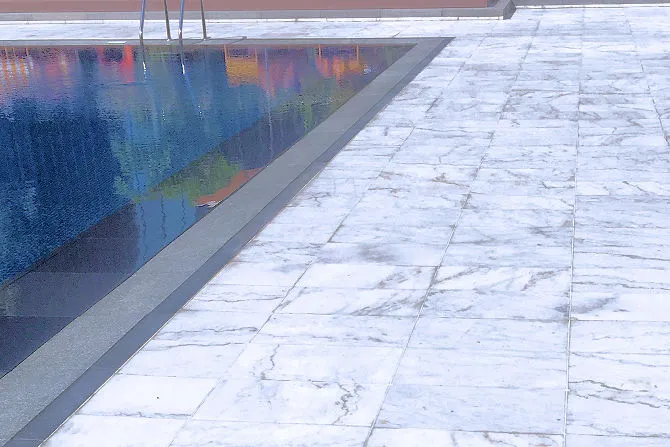

Picture this: You step out onto your pool deck on a scorching July afternoon in Dubai, and instead of burning your feet on scalding tiles, you’re greeted by a cool, slip-resistant surface that looks like polished concrete but feels completely different. That’s the magic of micro-topping, a flooring solution quietly revolutionizing spaces across the UAE.
If you’ve been wrestling with cracked tiles, slippery surfaces, or are tired of the same old marble floors everyone seems to have, microtopping might be exactly what your space needs. But before you jump in, there are crucial details about this material that most people overlook, especially in Dubai’s unique environment.
What Exactly Is Microtopping?
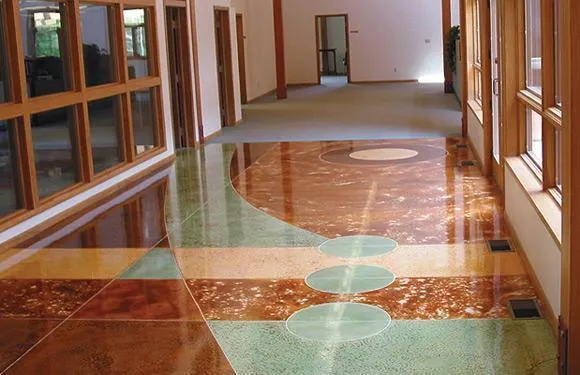
Microtopping is an ultra-thin cement-based coating, typically 2-3mm thick, that can be applied over existing floors without demolition. Think of it as a decorative concrete overlay that gives you the industrial-chic look of polished concrete with significantly better performance characteristics.
The material consists of fine cement, polymers, and additives that create a durable, seamless surface. Unlike traditional concrete, microtopping can be tinted in virtually any color and finished with various textures—from smooth and glossy to slightly textured for better grip.
What makes it particularly interesting for Dubai residents is its versatility. You can apply it over tiles, marble, concrete, or even wood substrates, making it perfect for renovation projects where you want to avoid the mess and expense of complete floor removal.
Why Dubai’s Climate Makes Microtopping a Smart Choice
Dubai’s extreme weather conditions play to microtopping’s strengths in ways that many other flooring materials can’t match.
Heat Resistance That: Works During summer months, when outdoor temperatures soar past 45°C, traditional tiles and stone can become dangerously hot. Microtopping for swimming pool decks in Dubai applications shows significantly better heat management. The material doesn’t absorb and retain heat the way darker stones do, and its polymer content helps it expand and contract without cracking.
Humidity and Moisture Control: The high humidity levels, especially in coastal areas like JBR or Dubai Marina, can wreak havoc on certain flooring materials. Microtopping’s seamless nature eliminates grout lines where moisture can penetrate and cause problems. The material is also naturally resistant to mold and mildew growth, a common issue in Dubai bathrooms and pool areas.
Sand and Dust Tolerance: Anyone living in Dubai knows the constant battle against fine sand particles that seem to infiltrate every surface. Microtopping’s smooth finish makes cleaning significantly easier than textured tiles or natural stone with deep grout lines.
Microtopping vs. Traditional Dubai Flooring Options
Most Dubai homes feature marble, porcelain tiles, or natural stone—materials that work but come with their own challenges.
Compared to Marble: Marble looks luxurious, but requires constant maintenance in Dubai’s climate. It’s porous, stains easily, and the high mineral content in Dubai’s water can cause etching over time. Microtopping gives you a similar upscale appearance without the maintenance headaches.
Compared to Porcelain Tiles: Large-format porcelain tiles are popular in new Dubai developments, but they have limitations. Grout lines collect dust and grime, tiles can crack from thermal expansion, and replacement often means breaking the entire floor. Microtopping creates a completely seamless surface that’s easier to repair if damage occurs.
Compared to Epoxy Flooring: While epoxy is durable, it can yellow under Dubai’s intense UV exposure and doesn’t handle temperature fluctuations as well. Microtopping maintains its color stability and flexibility much better over time.
Common Mistakes People Make With Microtopping in Dubai
Rushing the Substrate Preparation: The biggest mistake is not properly preparing the existing floor. In Dubai’s older buildings, many floors have minor settling cracks or adhesion issues from humidity exposure. These problems will telegraph through microtopping if not addressed first. Always ensure the existing surface is stable, clean, and properly primed.
Ignoring Thermal Movement: Dubai’s temperature swings between air-conditioned interiors and blazing exteriors create significant thermal stress. Microtopping installations need proper expansion joints in large areas, especially around pool decks and outdoor spaces. Many people skip this step and end up with hairline cracks within the first year.
Wrong Product Selection for Specific Areas: Not all microtopping formulations work equally well in every situation. Pool deck applications need slip-resistant additives, while indoor residential areas can use smoother finishes. Kitchen areas need additional stain resistance. The wrong choice leads to maintenance issues later.
Best Applications for Microtopping in Dubai Homes
Swimming Pool Decks and Outdoor Areas: This is where microtopping for swimming pool decks in Dubai really shines. The material stays cooler than traditional stone, provides excellent slip resistance when properly textured, and creates a seamless transition between indoor and outdoor spaces. Many villa owners in Emirates Hills and Palm Jumeirah are choosing microtopping for this exact reason.
Bathrooms and Wet Areas: The seamless nature eliminates grout lines where mold and soap scum accumulate. In Dubai’s high humidity, this makes a noticeable difference in long-term maintenance.
Living Areas and Bedrooms: For a modern, minimalist aesthetic that’s become popular in Dubai’s newer developments, microtopping provides the perfect backdrop. It works especially well in loft-style apartments in areas like City Walk or the Design District.
Commercial Spaces: Restaurants, offices, and retail spaces benefit from microtopping’s durability and easy maintenance. The seamless surface handles heavy foot traffic while maintaining its appearance.
Installation Considerations for Dubai Conditions
Timing Matters: Never schedule microtopping installation during Dubai’s peak summer months if it involves outdoor areas. The material needs controlled curing conditions, and extreme heat can cause rapid moisture loss, leading to surface defects. October through April offers the best installation conditions.
Humidity Control: Indoor installations require proper humidity control during the curing process. Dubai’s fluctuating humidity levels can affect how the material sets, potentially causing surface imperfections or adhesion issues.
Quality of Water Used: Dubai’s water has high mineral content that can affect microtopping mixing and curing. Professional installers should use filtered or distilled water for mixing to ensure consistent results.
Maintenance Reality Check
Microtopping isn’t maintenance-free, but it’s significantly easier to care for than traditional flooring in Dubai’s environment.
Daily Care: Regular sweeping or dust mopping removes the fine sand particles that accumulate on all surfaces in Dubai. For wet cleaning, use pH-neutral cleaners—avoid acidic products that can etch the surface over time.
Periodic Maintenance: Depending on the finish chosen, you might need to apply a protective sealer every 2-3 years. This is especially important for outdoor applications exposed to UV and temperature extremes.
Repair Considerations: Small scratches or chips can usually be touched up without redoing entire sections. This is a significant advantage over tiles, where a single cracked piece often means removing and replacing multiple tiles.
Cost Considerations and Long-Term Value
While microtopping isn’t the cheapest flooring option upfront, it often provides better long-term value in Dubai’s climate.
Installation Costs: Expect to pay more than basic ceramic tiles but less than high-end natural stone. The ability to go over existing floors often reduces total project costs significantly.
Long-Term Savings: Reduced maintenance costs, no grout replacement, and easier repairs often offset the higher initial investment. Many Dubai homeowners find the total cost of ownership lower than traditional materials over 10 years.
Making the Right Choice for Your Space
Microtopping works exceptionally well in Dubai, but it’s not automatically the right choice for every situation. Consider your specific needs, the intended use of the space, and your maintenance preferences.
For pool areas, outdoor terraces, and modern interior spaces, it’s often an excellent choice. For highly decorative applications where you want intricate patterns or traditional aesthetics, other materials might serve you better.
The key is understanding what you’re getting into and working with installers who understand Dubai’s specific environmental challenges. When done right, microtopping can transform your space into something both beautiful and practical for years to come.
Remember that the success of any microtopping installation depends heavily on proper preparation, quality materials, and skilled application. Take time to research your options and don’t rush the decision—your floors will thank you for it.