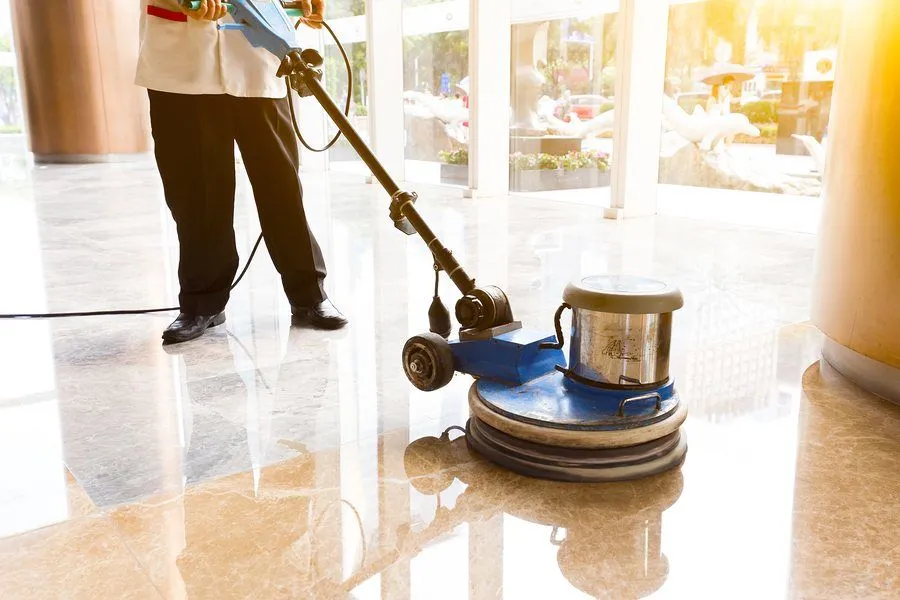

You’ve probably noticed how quickly marble floors can lose their shine in Dubai. One month, they look pristine, the next, they’re covered in a dull haze with etches from everyday spills. If you live in Nad Al Sheba 2, you know the struggle. Between the constant dust from nearby developments and the hard water that leaves marks on everything, keeping marble looking good feels impossible.
Here’s what most people don’t realize: that dullness isn’t just cosmetic. When marble loses its polish, it becomes more porous. That means it starts absorbing stains faster, scratches more easily, and eventually needs expensive repairs. The good news? Professional marble polishing services in Nad Al Sheba 2 can reverse the damage and protect your investment.
What Actually Happens During Professional Marble Polishing
Marble polishing isn’t the same as mopping or buffing with a household cleaner. It’s a mechanical process that removes a microscopic layer of stone to eliminate scratches, etches, and stains that have penetrated the surface.
The process typically involves diamond abrasives in progressively finer grits. Think of it like sanding wood, but far more precise. The first pass might use 400-grit abrasives to remove deeper scratches, then work up through 800, 1500, and 3000 grit for that mirror-like finish.
For maintenance polishing, technicians focus on the top layer with light compounds and polishing pads. This works well for floors that haven’t been neglected. But if your marble has lippage (where tiles are uneven), deep etching from acidic spills, or stubborn stains, you’ll need grinding first to level everything out.
Why Dubai’s Climate Makes Professional Polishing Essential
Dubai’s environment is particularly harsh on natural stone. The combination of intense UV exposure, temperature swings between air-conditioned interiors and outdoor heat, and airborne sand creates unique challenges.
Sand acts like fine sandpaper on your floors. Every time someone walks across your marble entrance after being outside, they’re essentially grinding particles into the surface. Over time, this creates thousands of micro-scratches that scatter light, making the floor look dull.
The UAE’s extreme humidity levels during the summer months also affect marble differently than in drier climates. High humidity can interfere with crystallization treatments if not applied correctly, and it can cause some sealants to cure improperly.
The Real Cost of Skipping Regular Maintenance
Most homeowners in Nad Al Sheba 2 villas only call for marble restoration when the floors look truly bad. By then, what could have been a simple AED 35 per square meter maintenance polish had turned into an AED 120+ per square meter restoration project.
Here’s the breakdown: Basic maintenance polishing removes minor scuffs and restores shine without grinding away much material. Standard polishing handles moderate scratches and some etching. But once you need restoration, you’re looking at deep grinding, crack repairs with epoxy resins, and multi-stage polishing that can take days instead of hours.
The math is straightforward. A 200 square meter villa maintained annually with standard polishing costs around AED 10,000. Let that same villa deteriorate for five years, and the restoration could run AED 30,000 or more.
Understanding Different Service Levels and What You Actually Need
Not all marble polishing is the same, and knowing what your floors need saves you from paying for unnecessary work.
Basic honing and cleaning (AED 25-40 per sqm) works for floors that still have shine but look a bit tired. This includes pH-neutral cleaning, minor scratch removal, and shine restoration. It’s what you need every 12-18 months for well-maintained marble.
Standard polishing (AED 40-60 per sqm) addresses moderate wear. This involves mechanical polishing with diamond abrasives to correct scratches and minor etches. Most Nad Al Sheba 2 homes need this every 2-3 years, depending on foot traffic.
Premium crystallization (AED 70-100 per sqm) uses chemical treatments that react with the calcium carbonate in marble to create an extremely hard, glossy surface. This is particularly valuable in high-traffic areas like entrance halls and open-plan living spaces common in Nad Al Sheba 2’s newer villas.
Full restoration (AED 120-500 per sqm) becomes necessary when marble has deep scratches, lippage, significant staining, or structural issues like cracks. The wide price range reflects the complexity. Rare marbles like Statuario or Calacatta require specialized abrasives and hand-polishing techniques that push costs to the upper end.
Service Comparison: What’s Included at Each Level
| Service Level | Price Range (AED/sqm) | Best For | Key Process |
|---|---|---|---|
| Basic Maintenance | 25-40 | Recently polished floors with minor dulling | Light polishing, surface cleaning |
| Standard Restorative | 40-60 | Moderate scratches, some etching | Multi-step polishing, light honing |
| Premium Crystallization | 70-100 | High-traffic areas needing durability | Chemical treatment, 2-3 stage polishing |
| Full Restoration | 120-200 | Significant damage, uneven surfaces | Deep grinding, crack repair, 4-6 stage polishing |
| Exotic Marble Restoration | Up to 500 | Rare marble types with specific needs | Custom abrasives, hand-polishing, color enhancement |
Practical Maintenance Tips That Actually Work
Professional polishing is essential, but what you do between services matters just as much.
Place walk-off mats at every entrance. Not decorative rugs, but actual commercial-grade mats that trap sand and dirt. This single change will extend the time between polishing services significantly.
Clean spills immediately, especially anything acidic like coffee, wine, or citrus juice. Even a few minutes of contact can etch marble. Use a soft cloth and pH-neutral cleaner, never vinegar or standard household cleaners.
Dust mop daily in high-traffic areas. Sweeping with stiff bristles can scratch marble, so use a microfiber dust mop instead. For wet cleaning, stick to pH-neutral stone cleaners mixed according to instructions.
Apply felt pads to furniture legs and replace them when they wear down. Metal chair legs scraping across marble during a dinner party can create scratches that require professional correction.
Services That Complement Regular Polishing
Marble polishing works best as part of a comprehensive stone care approach. Sealing should happen every 1-2 years, depending on the marble type and traffic. A quality penetrating sealer doesn’t change the appearance but provides crucial protection against staining.
For homes with marble in bathrooms or kitchens, consider specialized stain removal treatments for organic materials, oils, or hard water deposits. These often require different approaches than general polishing.
If you have marble on exterior areas like patios or pool decks, weatherproofing treatments designed for Dubai’s climate provide extra protection against thermal shock and UV damage that standard interior treatments don’t address.
When to Schedule Your Next Service
The best time for marble polishing in Dubai is during the cooler months from October through March. Lower humidity helps crystallization treatments cure properly, and dust levels are typically lower.
For maintenance polishing, look at your floors in natural sunlight. If you see a network of fine scratches or the surface looks hazy rather than reflective, it’s time. Don’t wait until you can feel roughness or see obvious damage.
Track when you last had professional work done. Set a calendar reminder for 18 months after maintenance polishing, or 3 years after full restoration. Being proactive always costs less than being reactive.
Your marble floors represent a significant portion of your home’s value. In Nad Al Sheba 2’s competitive real estate market, well-maintained natural stone can be the difference between a quick sale at the asking price and a property that sits on the market. The investment in regular professional polishing pays for itself many times over.