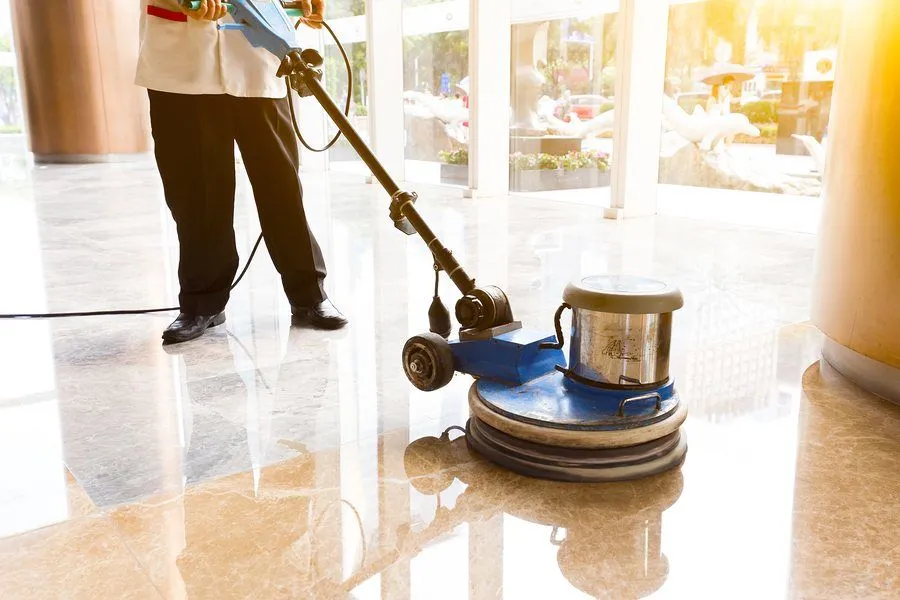

Your home’s marble surfaces tell a story. In Front, where dust settles quickly and the harsh Dubai sun beats down relentlessly, that story can turn from elegant to worn faster than you’d expect. Marble polishing isn’t just about making your floors look pretty – it’s about protecting a significant investment in your property.
Let me walk you through what actually happens when you maintain your marble properly, and why it matters so much in this specific climate.
What Marble Polishing Actually Does
Marble is limestone that’s been transformed by heat and pressure over millions of years. It’s beautiful, but it’s also soft and porous compared to other stone types. That means it scratches easily, absorbs stains, and dulls over time – especially in Dubai’s dusty, humid environment.
Professional marble polishing involves several distinct processes depending on what your floors need. Basic maintenance cleaning uses pH-neutral solutions and light honing to remove minor scratches and restore shine. Standard polishing goes deeper with mechanical diamond abrasives to correct moderate scratches and etching. For seriously damaged marble, restoration work includes grinding to level uneven surfaces, filling cracks with epoxy resins, and multi-stage polishing.
The process essentially removes a microscopic layer of stone to reveal fresh, undamaged marble underneath. Then, progressive polishing steps create that mirror-like finish you’re after.
Why Front’s Climate Makes This Essential
Living in Front means your marble faces some serious challenges. The sand that settles on your outdoor surfaces acts like fine sandpaper when walked on. High humidity causes moisture to seep into unsealed marble, creating dark spots and potential structural weakening. Temperature swings between air-conditioned interiors and outdoor heat cause expansion and contraction that can lead to micro-cracks.
I’ve seen beautiful Calacatta marble in villa entryways lose their luster within months because owners didn’t understand how Dubai’s environment affects natural stone. The combination of dust infiltration and humidity is particularly aggressive here compared to other climates.
The Real Cost of Neglect
Here’s what most homeowners don’t realize: letting marble deteriorate costs significantly more than regular maintenance. A villa with 100 square meters of marble flooring might spend AED 3,000-4,000 for basic annual polishing. Wait until damage requires full restoration, and you’re looking at AED 12,000-20,000 for the same area.
Beyond the direct costs, deteriorated marble affects your property’s market value. According to Dubai Land Department property valuation guidelines, well-maintained interior finishes contribute meaningfully to overall property assessments. Buyers notice flooring condition immediately during viewings – it’s one of the first things real estate agents point out.
Different Approaches for Different Needs
Not all marble polishing is the same. Understanding what you actually need saves money and prevents unnecessary work.
Basic Honing and Cleaning (AED 25-40/sqm) works for regular maintenance. This covers surface cleaning, minor scratch removal, and basic shine restoration. Perfect for annual touch-ups in low-traffic areas.
Standard Polishing (AED 40-60/sqm) handles moderate wear. You’ll get mechanical polishing with diamond abrasives and correction of visible scratches. This suits living areas and dining rooms that see regular use.
Premium Crystallization (AED 70-100/sqm) uses chemical treatments to create a high-gloss, stain-resistant surface. The process involves 2-3 polishing stages with specialized compounds. Great for high-traffic entryways and kitchens where spills happen.
Full Restoration (AED 120-200/sqm, up to AED 500/sqm for rare marbles) becomes necessary when you have deep scratches, uneven surfaces, or significant damage. This includes grinding, crack filling, multi-stage polishing, and often sealing.
Keeping Your Investment Protected
After professional polishing, you’ll want to maintain the results as long as possible. Here’s what actually works in Dubai conditions:
Clean spills immediately – marble is calcium carbonate, which means acidic substances like lemon juice or wine will etch the surface quickly. Use only pH-neutral cleaners specifically designed for natural stone. Place walk-off mats at entrances to trap sand and grit before it reaches your marble. Consider felt pads under furniture legs to prevent scratching when items are moved.
Check your marble every few months for dull spots or minor scratches. Catching issues early means you can address them with basic maintenance rather than expensive restoration. In Front’s dusty environment, you might need professional maintenance more frequently than in other areas – typically every 12-18 months rather than every 2-3 years.
Services That Work Together
Marble polishing doesn’t exist in isolation. Sealing is crucial after polishing to protect the porous surface from staining. Most professionals recommend resealing every 1-2 years, depending on traffic levels. Deep cleaning before polishing ensures better results and helps identify any underlying issues.
If you have marble countertops, bathrooms, or outdoor features, coordinate their maintenance together. The cost per square meter often decreases when you’re having multiple areas done simultaneously. Plus, a consistent finish across all your marble surfaces creates a more cohesive look.
Making the Smart Choice
The key to successful marble maintenance in Dubai is consistency. Waiting until your floors look terrible means you’ve already damaged the stone – and restoration costs significantly more than prevention. Set a reminder to inspect your marble quarterly and schedule professional maintenance before it looks like it needs it.
Think of marble polishing as similar to servicing your car. You don’t wait until the engine fails – you maintain it regularly because prevention is cheaper than repair. Your marble deserves the same approach.
The specific conditions in Front, from settling dust to temperature extremes, make this even more important. Your marble isn’t just decorative – it’s a functional surface that needs protection to maintain both its appearance and your property’s value over time.