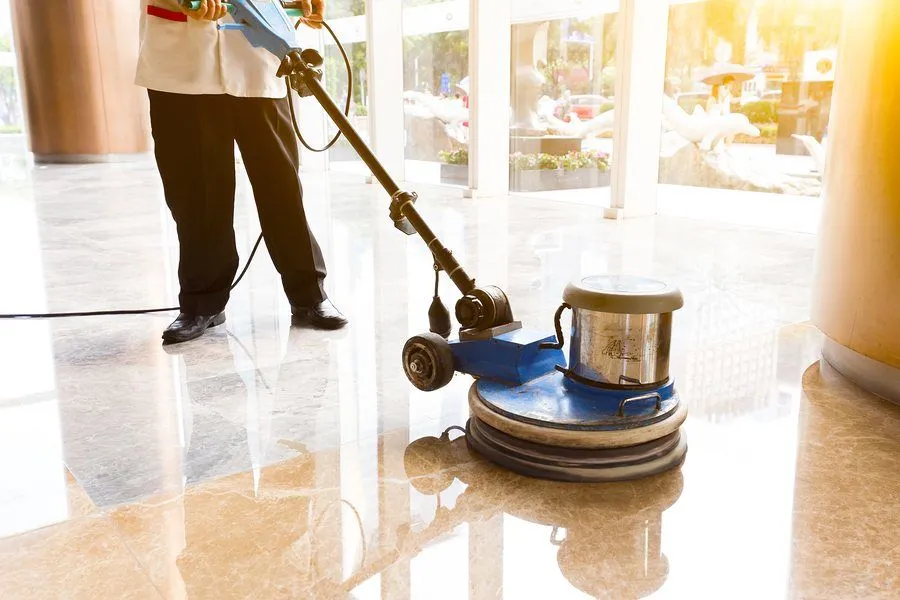

The marble floors in your Al Barsha 2 villa tell a story. They might have welcomed guests during countless gatherings, endured the sandy footprints of desert winds, or simply aged under Dubai’s relentless sun streaming through your windows. Over time, even the most resilient marble loses its luster, develops etches from spilled liquids, or accumulates fine scratches that dull its appearance.
Marble polishing isn’t just about aesthetics; it’s a protective maintenance service that preserves one of your property’s most valuable features. In Dubai’s real estate market, where presentation matters significantly, well-maintained marble surfaces directly impact your home’s valuation and appeal. Understanding what proper marble care involves helps you make informed decisions about protecting this investment.
What Marble Polishing Actually Does
Marble is a metamorphic rock composed primarily of calcium carbonate, which makes it both beautiful and vulnerable. The polishing process addresses multiple issues simultaneously: it removes surface damage, restores the stone’s natural reflectivity, and can include protective treatments that shield against future wear.
The service typically progresses through several stages. Initial cleaning removes surface debris and identifies problem areas. Mechanical polishing uses diamond abrasives in progressively finer grits to smooth imperfections and rebuild the surface structure. For deeper restoration, grinding may be necessary to level uneven areas or remove significant damage before polishing begins.
What many homeowners don’t realize is that marble naturally etches when exposed to acidic substances – coffee, wine, citrus juices, and even some cleaning products can permanently dull the surface. Professional polishing corrects this damage and, when combined with sealing treatments, creates a barrier that prevents rapid recurrence.
How Dubai’s Climate Affects Your Marble
Al Barsha 2’s environment presents specific challenges for marble maintenance. The combination of intense UV exposure through large windows, temperature fluctuations between air-conditioned interiors and outdoor heat, and airborne sand particles creates a perfect storm for surface degradation.
Sand tracked indoors acts like fine sandpaper underfoot, gradually abrading the marble’s polished finish. This is particularly noticeable in high-traffic areas near entryways. The dry climate also means that any moisture – from mopping or spills – evaporates quickly, potentially leaving mineral deposits that etch into the surface if not addressed properly.
Additionally, the thermal stress from moving between 45°C outdoor temperatures to 22°C indoor environments can cause microscopic expansion and contraction in the stone. Over the years, this contributes to surface crazing and makes the marble more susceptible to staining.
The Connection Between Marble Care and Property Value
According to property market analyses in Dubai, homes with well-maintained natural stone features command premium prices. Marble flooring represents a significant portion of interior finishing costs – typically accounting for a substantial investment in mid to high-end properties. When prospective buyers or tenants view a property, the condition of marble surfaces immediately signals overall maintenance standards.
Neglected marble tells potential buyers they’ll face immediate restoration costs. Conversely, properly maintained floors suggest the property has received consistent care. The Dubai Land Department’s property registration data shows that properties marketed with recently serviced natural stone finishes typically sell faster and closer to the asking price than comparable units with visible floor damage.
Beyond resale considerations, regular marble maintenance prevents the need for expensive full restoration. Surface polishing costs a fraction of what you’d spend on heavy grinding and repairs once damage becomes severe.
Different Service Levels Explained
Understanding service tiers helps you choose appropriate maintenance for your specific situation:
Basic maintenance polishing works well for marble that’s generally in good condition but has lost some shine. This involves surface cleaning, light polishing to restore reflectivity, and removal of minor surface dulling. It’s typically sufficient for annual maintenance in low-traffic areas.
Standard restorative polishing addresses moderate wear, including light scratches, minor etching, and uneven shine. This service includes honing to smooth imperfections followed by multi-stage polishing. It’s ideal for family living areas that see regular use but haven’t suffered major damage.
Comprehensive restoration becomes necessary when marble shows significant scratching, lippage (uneven tile heights), deep stains, or structural issues like cracks. This involves grinding to remove damaged layers, repairing defects, treating stains, and rebuilding the polished surface through multiple stages.
| Service Level | Best For | Typical Frequency |
|---|---|---|
| Basic Maintenance | Well-maintained surfaces, annual care | Every 12-18 months |
| Standard Restoration | Moderate wear, visible dullness | Every 2-3 years |
| Comprehensive Restoration | Heavy damage, major imperfections | As needed or every 5+ years |
Practical Maintenance Between Professional Services
Your daily habits significantly impact how long professional polishing results last. Use pH-neutral cleaners specifically formulated for marble – never acidic or abrasive products. Place protective mats at exterior doorways to capture sand before it reaches marble floors.
Clean spills immediately, particularly anything acidic. Even water left standing can leave marks on some marble types. For routine cleaning, use a microfiber mop slightly dampened with clean water or proper marble cleaner, then dry the surface with a soft cloth.
Consider resealing your marble every 12-18 months, even between polishing services. Sealing creates a protective barrier that prevents liquids from penetrating the stone’s porous surface. You can test whether your marble needs resealing by placing a few drops of water on the surface – if it darkens within a few minutes, the seal has weakened.
Avoid dragging furniture across marble floors. Even felt pads can trap sand particles that scratch the surface. When moving items, lift rather than slide, or place protective barriers underneath.
Complementary Services Worth Considering
Marble polishing delivers optimal results when integrated with related maintenance services. Professional sealing should accompany polishing to protect the newly restored surface. Some services offer crystallization treatments, which chemically react with the marble to create an exceptionally durable, glossy finish that resists wear better than standard polishing alone.
If your home has marble countertops, bathroom vanities, or wall cladding, coordinate these areas for simultaneous service. Consistency in finish across different marble surfaces creates a more cohesive appearance.
Regular professional deep cleaning between polishing sessions helps maintain results. This differs from DIY cleaning by using specialized equipment and solutions that extract embedded dirt without damaging the stone.
For outdoor marble features exposed to Dubai’s elements, consider more frequent maintenance schedules. Exterior marble faces greater environmental stress and may require attention twice as often as interior surfaces.
Choosing the Right Approach for Your Home
The appropriate marble polishing strategy depends on your floor’s current condition, the marble type, and your usage patterns. Light-colored marbles tend to show wear and staining more readily than darker varieties. High-traffic areas near kitchens, entryways, and bathrooms require more frequent attention than formal living spaces or bedrooms.
If you’re unsure about your marble’s condition, start with a professional assessment. Many service providers will evaluate your floors and recommend the appropriate service level. This prevents over-servicing (wasting money on unnecessary restoration) or under-servicing (postponing needed repairs until damage worsens).
For newly installed marble, establish a maintenance baseline with initial sealing followed by annual maintenance polishing. This prevents problems before they develop and extends the time before more intensive restoration becomes necessary.
Properties in Al Barsha 2, with its mix of established villas and newer developments, often feature marble installed during various construction phases using different stone qualities and installation methods. Understanding your specific marble helps tailor maintenance appropriately.
The Real Cost of Neglect
Postponing marble maintenance creates compounding problems. Minor etching becomes deep staining. Surface scratches develop into cracks. What could have been addressed with basic polishing eventually requires expensive grinding and restoration.
Consider that comprehensive restoration costs significantly more per square meter than preventive maintenance. More importantly, some damage becomes irreversible – severely worn marble may require complete tile replacement, disrupting your home and costing multiples of what regular care would have required.
The aesthetic impact matters too. Dull, scratched marble makes your entire home feel dated and poorly maintained, regardless of other renovations or furnishings. Since marble often features prominently in entryways and main living spaces, its condition creates immediate first impressions.
Making Marble Maintenance Part of Your Property Care Routine
Think of marble polishing as similar to servicing your vehicle or maintaining your home’s HVAC system – regular attention prevents breakdowns and preserves value. Create a simple tracking system noting when floors were last serviced, what type of treatment was performed, and when the next service is recommended.
Incorporate marble inspection into your seasonal home maintenance checklist. As the weather changes, look for new damage or areas where the finish seems compromised. Early identification allows for spot treatment before problems spread.
If you manage multiple properties or have extensive marble surfaces, consider establishing a relationship with a reliable service provider who understands your specific needs and marble types. Consistency in care approach and familiarity with your home’s particular requirements typically yield better long-term results.