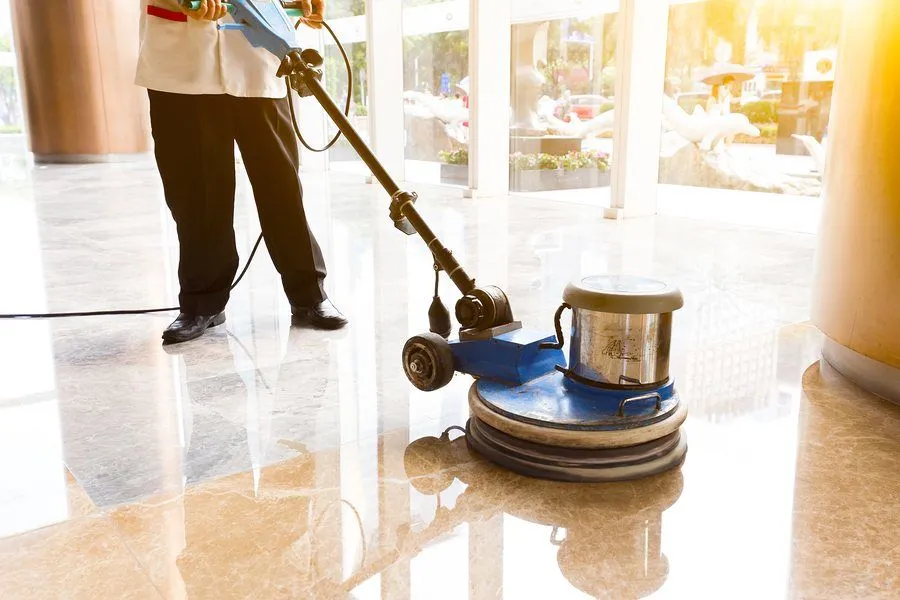

Walk into any high-end villa in Dubai, and you’ll likely notice gleaming marble floors that reflect light beautifully. But that pristine appearance doesn’t happen by accident – nor does it last forever without proper care. In Dubai’s challenging climate, marble surfaces face unique threats that can gradually diminish both their beauty and your property’s value.
Marble polishing isn’t just about aesthetics. It’s a protective maintenance practice that preserves the structural integrity of your flooring investment while maintaining the visual appeal that attracted you to marble in the first place.
Understanding What Marble Polishing Actually Does
Marble is a natural stone composed primarily of calcium carbonate, which makes it vulnerable to acidic substances, scratches, and environmental wear. Over time, foot traffic, dust particles, and everyday use create microscopic scratches that dull the surface. In Dubai specifically, fine sand particles carried indoors act like sandpaper, accelerating this deterioration.
Professional marble polishing services in Dubai address these issues through a systematic process. The service begins with thorough surface cleaning using pH-neutral solutions that won’t damage the stone’s composition. Technicians then use diamond abrasives – ranging from coarse to ultra-fine grits – to gradually remove damaged layers and reveal fresh, unblemished stone beneath.
The process typically involves multiple stages: honing to smooth out imperfections, polishing to restore shine, and sometimes crystallization treatments that chemically react with the marble to create a harder, more resistant surface layer. Think of it as resurfacing rather than simply cleaning – you’re essentially renewing the top layer of your marble.
How Dubai’s Climate Affects Your Marble Floors
Dubai’s environment presents specific challenges for marble maintenance. The combination of intense heat, humidity fluctuations, and persistent dust creates conditions that accelerate marble deterioration faster than in temperate climates.
During summer months, temperature differences between air-conditioned interiors and scorching outdoor conditions can cause thermal stress in stone surfaces. This isn’t immediately visible but contributes to etching and surface weakness over time. Meanwhile, humidity – particularly in coastal areas – can penetrate unsealed marble, potentially causing discoloration or even structural issues if moisture reaches the substrate.
The ever-present sand and dust deserve special attention. These fine particles contain minerals that scratch marble surfaces with every footstep, creating a cumulative dulling effect. Regular polishing removes these damaged layers before deterioration becomes severe enough to require more extensive restoration.
The Connection Between Polished Marble and Property Value
Real estate professionals consistently note that well-maintained marble surfaces significantly influence buyer perceptions and property valuations. According to Dubai Land Department market analyses, properties with pristine flooring command higher prices and sell faster than comparable properties showing visible wear.
This makes sense when you consider the replacement cost. Installing new marble flooring typically runs significantly higher than maintaining existing surfaces through regular polishing. A well-executed polishing program can extend your marble’s functional lifespan by decades, protecting your initial investment while maintaining the luxury aesthetic that marble provides.
Beyond resale considerations, polished marble affects your daily living environment. Dull, scratched floors make spaces feel tired and neglected, while properly maintained surfaces enhance natural and artificial lighting, making rooms feel more spacious and inviting.
Service Tiers: Matching Treatment to Your Needs
Not all marble surfaces require the same level of intervention. Understanding the different service tiers helps you make cost-effective decisions:
| Service Level | Price Range (AED/SQM) | Best For | Key Features |
|---|---|---|---|
| Basic Maintenance | 25-40 | Regular upkeep, minimal damage | Surface cleaning, light polishing, shine restoration |
| Standard Restorative | 40-60 | Moderate wear, visible scratching | Multi-step polishing, light honing, enhanced shine |
| Comprehensive Restoration | 70-100 | Heavy traffic areas, significant damage | Deep grinding, stain removal, crack repairs, sealing |
| Specialty/Premium | 120-500 | Rare marble types, severe damage | Custom treatments, color enhancement, intricate work |
For most Dubai homes with marble in good condition, annual standard polishing combined with basic maintenance every 6-8 months provides excellent results. High-traffic areas like entrance foyers or open-plan living spaces may benefit from more frequent attention.
Practical Maintenance Between Professional Services
Professional polishing creates the foundation, but your daily habits determine how long those results last. Here’s how to protect your investment between treatments:
Daily and Weekly Care: Use microfiber dust mops to capture sand and dust before they scratch surfaces. When wet cleaning becomes necessary, stick to pH-neutral cleaners specifically formulated for natural stone. Avoid vinegar, lemon juice, or general-purpose cleaners containing acids – these etch marble surfaces, creating dull spots that require professional correction.
Immediate Attention: Address spills quickly, particularly anything acidic (coffee, wine, citrus juices, soft drinks). Blot rather than wipe to avoid spreading. Even water left standing can leave marks on some marble varieties, so pay prompt attention to any liquid matters.
Protection Strategies: Place quality entrance mats at all exterior doors to capture sand before it reaches marble floors. Use felt pads under furniture legs, and avoid dragging items across marble surfaces. In kitchens or dining areas, consider washable area rugs in spill-prone zones.
Inspection Routine: Monthly visual inspections help you identify problems early. Look for dulling patterns, which indicate wear needs addressing. Check grout lines in marble tile installations – deteriorating grout allows dirt accumulation and can cause lippage (uneven tile surfaces) that eventually requires grinding to correct.
Services That Complement Marble Polishing
Marble polishing works best as part of a comprehensive property maintenance approach. Sealing treatments, typically applied after polishing, create a protective barrier that reduces staining and makes routine cleaning more effective. Most sealers need reapplication every 1-3 years, depending on traffic levels and product quality.
For properties with both interior and exterior marble applications – common in Dubai villas with marble entrance steps or patio areas – pressure washing before polishing ensures thorough preparation. Similarly, if you have marble countertops, coordinating their polishing with floor work creates scheduling efficiency.
Grout cleaning and restoration services complement marble polishing for tiled installations. Discolored or deteriorating grout undermines even perfectly polished marble, so addressing both simultaneously produces superior results.
When Restoration Becomes Necessary
Sometimes maintenance polishing isn’t sufficient. Deep scratches from dragged furniture, etching from spilled chemicals, or lippage from settling floors require more intensive intervention. This is where restoration services become valuable.
Restoration involves grinding – actually removing a thin layer of marble to create a level surface – followed by progressive honing and polishing stages. While more expensive and time-consuming than standard polishing, restoration can transform severely damaged marble back to like-new condition, often at a fraction of replacement costs.
The decision between restoration and replacement depends on damage severity and marble thickness. Most marble tiles and slabs can withstand multiple restoration cycles over their lifetime, making restoration the economical choice in most circumstances.
Making Informed Service Decisions
Quality marble polishing requires professional equipment, technical knowledge, and experience with various marble types. The difference between skilled and mediocre work becomes apparent within months; proper polishing lasts significantly longer and produces superior results.
When evaluating service providers, ask about their process specifics. How many polishing stages do they use? What grit sequence do their diamond abrasives follow? Do they adjust techniques for different marble varieties? Knowledgeable professionals explain their methodology clearly and tailor approaches to your specific situation.
Request to see previous work, and don’t hesitate to ask for references from clients with similar marble types. Price matters, but the cheapest option rarely delivers value – improper techniques can actually damage marble, necessitating expensive correction.
Marble polishing represents a proactive investment in your Dubai property’s appearance and longevity. By understanding the process, maintaining consistent care between professional treatments, and addressing issues promptly, you protect both your daily living environment and your property’s financial value. The effort required is modest compared to the benefits – beautiful, durable flooring that enhances your home for years to come.