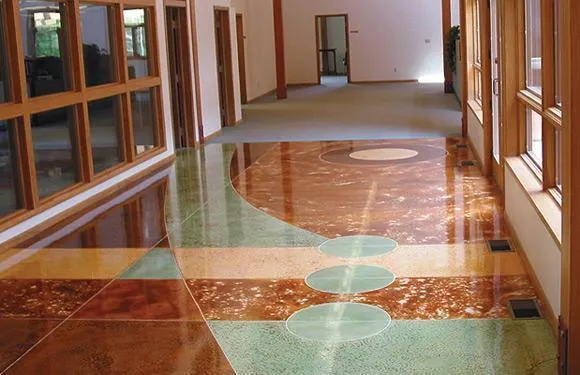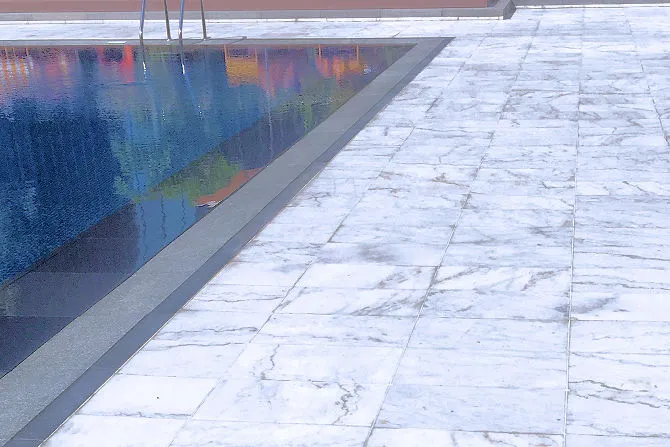

Concrete staining has transformed from a purely industrial finish into one of the most sophisticated design choices for Dubai homeowners. What was once limited to warehouses and garages now graces luxury villas, modern apartments, and high-end commercial spaces across the emirate. This decorative technique breathes new life into bland concrete surfaces, turning them into stunning focal points that complement Dubai’s contemporary architecture.
The appeal goes beyond aesthetics. In a city where temperatures soar past 45°C and sandstorms can arrive without warning, concrete staining offers a practical solution that withstands harsh conditions while maintaining its beauty. Understanding how to apply and maintain these finishes properly makes all the difference between a surface that lasts decades and one that disappoints within months.
What Makes Concrete Staining Different from Traditional Finishing
Unlike paint or epoxy coatings that sit on top of concrete, stains penetrate the surface and create a permanent bond with the material. This fundamental difference explains why stained concrete performs so well in Dubai’s challenging climate.
Two main types dominate the market: acid-based stains and water-based stains. Acid stains create chemical reactions with the concrete’s minerals, producing earthy, variegated tones that look organic and natural. Think warm terracottas, rich browns, and subtle greens. Water-based stains offer a broader colour palette – from deep charcoals to bright blues – and provide more predictable, uniform coverage.
The choice between them depends on your design vision and the specific demands of your space.
Why Dubai Homes Need Special Consideration
Dubai’s environment presents unique challenges that influence how concrete staining should be approached. The relentless sun, extreme heat, fine desert sand, and occasional humidity spikes all affect concrete surfaces differently than moderate climates.
Heat expansion: Concrete expands and contracts with temperature changes. During summer months, outdoor surfaces can reach scalding temperatures that would damage conventional coatings. Quality stains flex with this movement without cracking or peeling.
Sand abrasion: The fine sand that blankets Dubai during certain seasons acts like gentle sandpaper on surfaces. Stains that penetrate deeply resist this wear far better than surface coatings.
UV resistance: The intense Middle Eastern sun fades many materials rapidly. Professional-grade concrete stains contain UV inhibitors that prevent colour degradation, keeping your floors looking fresh for years.
Moisture management: Despite the arid climate, humidity near coastal areas and condensation from air conditioning can affect concrete. Proper surface preparation and sealing prevent moisture-related problems.
The Professional Staining Process
Achieving beautiful, long-lasting results requires following a systematic approach. Rushing through steps or skipping preparation almost always leads to disappointing outcomes.
Surface Preparation
The concrete must be completely clean, dry, and properly cured. This means removing all oils, grease, previous coatings, and contaminants. Professional contractors typically use diamond grinding or shot blasting to open the concrete’s pores, allowing stains to penetrate effectively.
Any cracks, chips, or damaged areas need repair before staining. While some homeowners embrace a weathered, imperfect look, structural issues should always be addressed.
Application Techniques
Acid stains require careful mixing and application with brushes, sprayers, or sponges. The chemical reaction takes 6-24 hours to develop fully, and the final colour often differs from the wet appearance. Multiple layers build depth and richness.
Water-based stains offer more control and quicker results. They can be applied in thin, translucent layers for subtle effects or thicker applications for solid colour coverage. Professional applicators often blend multiple colours to create custom hues that match your interior design scheme.
Neutralizing and Sealing
After acid staining, the surface must be neutralized and thoroughly rinsed to stop the chemical reaction. Then comes the sealer – the protective layer that locks in colour and provides resistance to stains, moisture, and wear. Sealer selection depends on the location (interior versus exterior) and expected traffic levels.
Modern Staining Patterns and Designs for Dubai Interiors
Contemporary Dubai homes embrace several popular concrete staining approaches:
Polished metallics: Silver, bronze, and pewter tones create industrial-chic spaces that complement modern furniture and minimalist design.
Warm earth tones: Terracotta, caramel, and sandy beiges echo Dubai’s desert surroundings while maintaining a sophisticated feel.
Geometric patterns: Using masking techniques, contractors create striking borders, medallions, or repeating patterns that add visual interest to large floor areas.
Colour blocking: Different zones receive different stain colours, defining spaces in open-plan layouts without physical barriers.
Marbled effects: Layering multiple stain colours with artistic application techniques mimics natural stone at a fraction of the cost.
Maintaining Your Stained Concrete
Proper maintenance extends the life and beauty of stained concrete surfaces significantly.
For daily care, sweep or dust mop regularly to remove sand and grit. Use a pH-neutral cleaner diluted with water for mopping – harsh chemicals damage the sealer over time. Avoid ammonia-based products, which can dull the finish.
Address spills promptly, especially oils and acidic liquids like citrus juice or vinegar. While sealed concrete resists staining, prolonged exposure to harsh substances can compromise the protection.
Every 2-3 years, depending on traffic and exposure, the sealer needs reapplication. This relatively simple process restores the protective layer and refreshes the surface’s appearance. High-traffic areas may require more frequent attention.
Place protective pads under furniture legs to prevent scratching. In outdoor areas, periodically hose down the surface to remove accumulated dust and prevent abrasive wear.
Complementary Services That Enhance Results
Concrete staining works beautifully alongside other treatments for comprehensive property improvement:
Polished concrete: Combining mechanical polishing with staining creates mirror-like finishes with incredible depth and clarity.
Decorative overlays: Before staining, contractors can apply thin textured overlays that add dimension and hide surface imperfections.
Epoxy coatings: In garages and utility areas, epoxy topcoats over stained concrete provide maximum durability with custom aesthetics.
Waterproofing treatments: For terraces and balconies, additional waterproofing beneath the stain prevents moisture infiltration that could cause problems later.
Choosing the Right Approach for Your Space
Not every concrete surface suits every staining technique. Interior floors with minimal moisture exposure offer the most flexibility in colour and finish options. Outdoor patios and driveways need UV-stable stains and high-performance sealers.
Consider how the space functions. Living areas benefit from softer, warmer tones that feel inviting. Kitchens and bathrooms require stains compatible with frequent cleaning and moisture exposure. Garages can handle bolder, more industrial finishes.
Think about existing design elements, too. Stained concrete should complement your furniture, wall colours, and overall aesthetic rather than compete with them.
Common Mistakes to Avoid
Several errors can compromise concrete staining projects:
Attempting to stain over sealed or painted concrete without proper removal leads to poor penetration and patchy results. The surface must be bare and porous.
Rushing the curing process causes problems. New concrete needs at least 28 days to cure before staining. Moisture trapped in uncured concrete prevents proper stain absorption.
Skipping the sealer to save money proves costly later. Without protection, stained concrete wears quickly and becomes susceptible to damage.
Using inappropriate products for Dubai’s climate results in premature failure. Always specify materials rated for extreme heat and UV exposure.
Concrete staining represents smart design thinking for Dubai properties. It combines durability, beauty, and practicality in ways few other flooring options match. Whether you’re renovating an existing space or planning new construction, stained concrete deserves consideration for its unique ability to handle this region’s demanding conditions while delivering stunning visual results. Taking time to understand the process, select appropriate products, and maintain the finish properly means you’ll enjoy beautiful floors that perform well for many years.