
Your marble floors gleam like mirrors. Your granite countertops catch the light just right. That limestone cladding on your villa’s exterior makes a statement. But here’s what most property owners in Dubai don’t realize until it’s too late: stone surfaces need ongoing care to maintain their beauty and value, especially in this demanding climate.
Dubai’s combination of intense heat, humidity, sandstorms, and high-traffic lifestyles creates a perfect storm for stone deterioration. Without proper maintenance, what once looked pristine can become dull, stained, or permanently damaged within just a few years. Let’s talk about how to keep your stone surfaces looking their best for decades.
Why Stone Care Matters More in Dubai
The UAE’s climate doesn’t do your stone surfaces any favors. During summer months, temperatures regularly exceed 40°C, causing thermal expansion and contraction that can weaken stone structures over time. The humidity from our coastal location creates the perfect environment for moisture-related problems like efflorescence (those white, chalky deposits you sometimes see on stone).
Then there’s the sand. Fine desert particles act like sandpaper on polished surfaces, gradually wearing down the finish through daily foot traffic. When you add in pool chemicals, outdoor entertainment, and the general wear from active households, your stone faces serious challenges.
Property values in Dubai often hinge on presentation. A villa with well-maintained stone features can command significantly higher resale or rental prices than one with damaged or neglected surfaces. Think of stone care as insurance for your property investment.
Common Problems Your Stone Faces
Different stone types face different issues in Dubai’s environment:
Marble and limestone are calcium-based stones that react badly to acidic substances. Spilled juice, wine, or even some cleaning products can etch the surface, creating dull spots that won’t buff out easily. These stones also absorb moisture, leading to staining and bacterial growth in humid conditions.
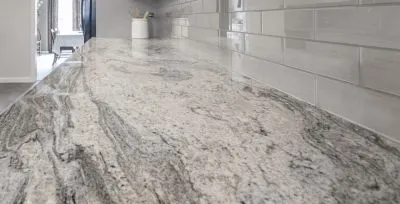
Granite is more durable but not indestructible. High-traffic areas develop micro-scratches that dull the finish. Exposure to constant sun can fade certain colored granites over time.
Travertine has natural pits and holes that trap dirt, moisture, and bacteria. Without proper sealing and regular cleaning, these pores become permanent stain collectors.
Porcelain and ceramic tiles are less porous, but their grout lines absorb everything. Dirty, stained grout makes even clean tiles look shabby.
The Long-Term Care Process
Maintaining stone surfaces isn’t about occasional deep cleaning – it’s about creating a sustainable care routine. Here’s what comprehensive stone maintenance looks like:
Initial Assessment and Deep Cleaning
Professional stone care starts with understanding what you’re working with. Different stones need different approaches. A thorough inspection identifies existing damage, wear patterns, and problem areas.
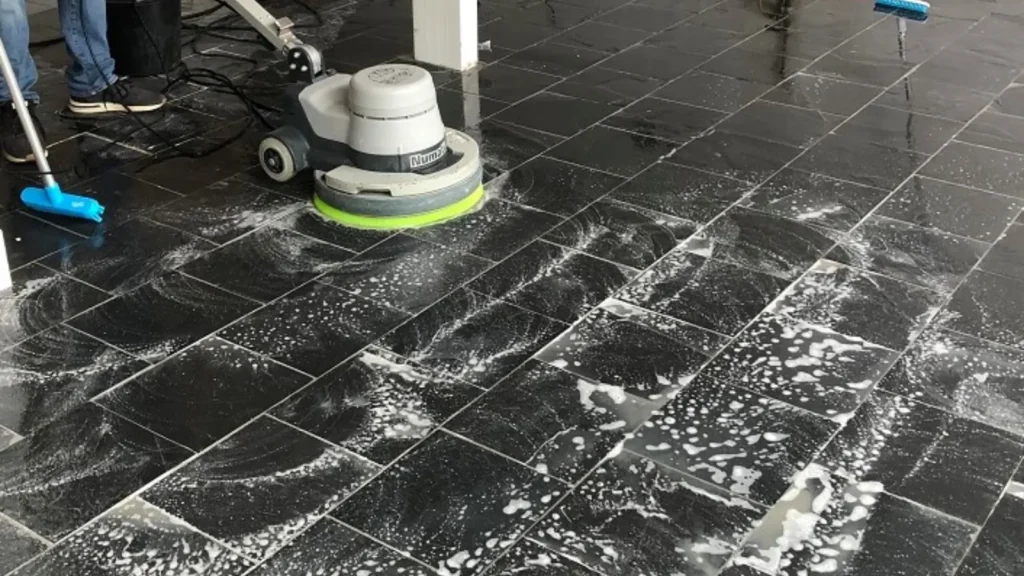
Deep cleaning removes built-up dirt, oils, and residues that regular mopping misses. This process uses pH-neutral products specifically formulated for stone – never harsh chemicals that can damage the surface or strip protective sealers.
Restoration When Needed
If your stone has already lost its shine or developed etching and scratches, restoration brings it back to life. This involves:
- Honing: Smoothing out surface scratches and etching using progressively finer abrasives
- Polishing: Bringing back the glossy finish through mechanical buffing
- Filling: Repairing chips, cracks, and holes with color-matched compounds
Sealing for Protection
Sealing is your stone’s armor against Dubai’s harsh conditions. Quality sealers penetrate the stone’s pores, creating an invisible barrier that repels water, oils, and stains while still allowing the stone to breathe.
Most stones need resealing every 1-3 years, depending on the product used and the level of wear. High-traffic areas like kitchen counters or entryway floors may need more frequent attention.
Ongoing Maintenance
Regular maintenance keeps the stone looking good between professional services. This includes:
- Using appropriate cleaning products (never vinegar, bleach, or ammonia on natural stone)
- Promptly addressing spills
- Placing mats at entrances to reduce sand and dirt tracking
- Using coasters and trivets to protect surfaces from heat and moisture
Your Practical Maintenance Guide
| Area | Frequency | What to Do |
|---|---|---|
| Indoor floors | Daily | Dust mop or vacuum; damp mop with pH-neutral cleaner |
| Countertops | Daily | Wipe with microfiber cloth and stone-safe cleaner |
| Outdoor stone | Weekly | Rinse with water; remove debris |
| Grout lines | Monthly | Clean with soft brush and appropriate cleaner |
| Professional deep clean | Every 6-12 months | Schedule professional service |
| Resealing | Every 1-3 years | Test water absorption; reseal as needed |
Quick tip: To test if your stone needs resealing, drop a small amount of water on the surface. If it darkens or absorbs within 5-10 minutes, it’s time to reseal.
Daily Habits That Make a Difference
Small actions add up to big results:
Use doormats religiously. Place them both outside and inside entrances. This simple step catches most of the sand and dirt before it scratches your floors.
Clean spills immediately. Don’t let coffee, juice, or wine sit on stone surfaces. Blot (don’t wipe) the spill, then clean with appropriate products.
Skip DIY cleaning recipes. That lemon and vinegar combo you found online? It’s destroying your marble. Invest in proper pH-neutral stone cleaners.
Protect furniture feet. Use felt pads under chairs, tables, and other furniture to prevent scratches when items get moved.
Control humidity. Run your air conditioning and dehumidifiers to maintain indoor humidity between 40-50%. This prevents moisture-related stone problems.
Services That Work Together
Stone care doesn’t exist in isolation. Several related services complement each other for complete property maintenance:
Grout cleaning and sealing should happen alongside stone care. Clean, sealed grout lines prevent moisture and dirt from compromising your stone from below.
Facade cleaning for exterior stone keeps your property’s curb appeal intact. Salt air and sandstorms are particularly tough on outdoor surfaces.
Wood floor maintenance often goes hand-in-hand with stone care in mixed-surface properties. Many companies offer both services.
Waterproofing services protect stone installations in wet areas like bathrooms, terraces, and pool decks from moisture damage.
Choosing the Right Care Schedule
Your maintenance schedule depends on several factors:
Property type matters. Commercial spaces with heavy foot traffic need more frequent professional attention than residential homes. Luxury villas with extensive stone features require different care than apartments with minimal stone surfaces.
Stone location affects wear. Outdoor stone faces harsher conditions than indoor installations. Kitchen counters see more action than bedroom floors.
Stone type influences needs. Porous stones like limestone need more frequent sealing than dense granite. Polished finishes require different maintenance than honed or textured surfaces.
A typical Dubai home with marble or granite surfaces should schedule professional deep cleaning and inspection every 6-12 months, with daily owner maintenance in between. High-traffic commercial properties may need quarterly professional visits.
When DIY Isn’t Enough
You’ll know it’s time to call professionals when:
- Water no longer beads on sealed surfaces
- Stains won’t come out with normal cleaning
- The surface appears dull despite polishing attempts
- Cracks or chips appear
- Grout lines stay discolored after cleaning
- You notice efflorescence (white deposits) appearing repeatedly
Attempting to fix these problems without proper knowledge and equipment often makes them worse. What might have been a simple restoration can turn into expensive replacement work.
The Real Cost of Neglect
Replacing damaged stone is expensive – far more costly than maintaining what you have. A neglected marble floor that needs complete replacement can cost hundreds of dirhams per square meter, not including installation labor and downtime.
Beyond money, damaged stone affects your daily life. Stained countertops in your kitchen aren’t pleasant to work on. Scratched, dull floors make your entire home look tired and poorly maintained. When it’s time to sell or rent, these issues directly impact your property’s value and appeal.
Regular maintenance spreads costs over time and keeps everything looking beautiful. It’s the smart financial choice and the better living experience.
Understanding Your Stone Investment
Natural stone represents a significant investment in your property. Whether it’s the imported Italian marble in your foyer or the locally sourced granite on your kitchen island, these materials add real value – but only if properly maintained.
Think of stone care like car maintenance. You wouldn’t skip oil changes and expect your vehicle to run smoothly for years. The same principle applies to your stone surfaces. Regular attention prevents problems, extends lifespan, and maintains appearance.
In Dubai’s competitive property market, details matter. Well-maintained stone surfaces signal that a property has been cared for properly, making it more attractive to potential buyers or tenants.