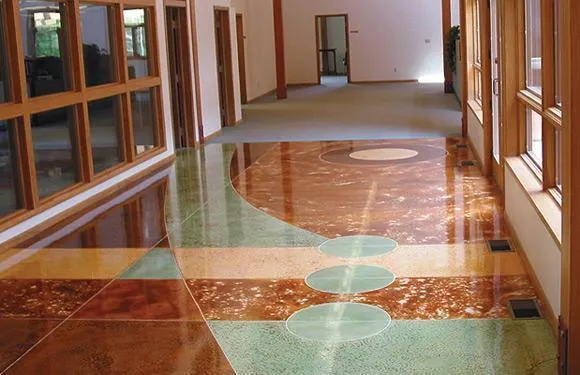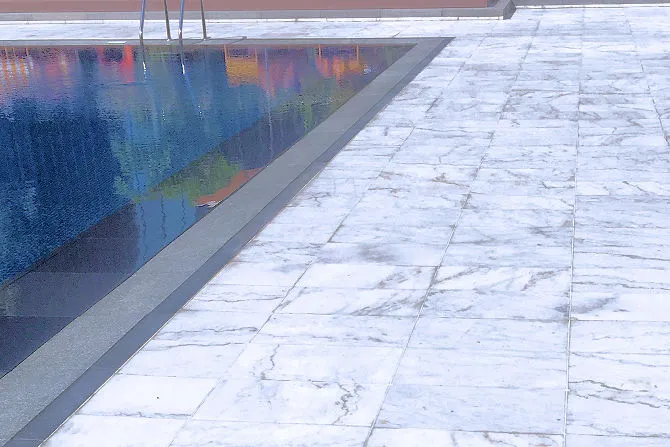

Picture this: a customer walks into your Dubai retail space on a rainy day, their shoes still damp from the brief but intense downpour outside. They step onto your polished concrete floor and suddenly find themselves fighting for balance. That split second of panic – and the potential liability that follows – highlights exactly why anti-slip solutions for concrete surfaces aren’t just recommended in Dubai’s commercial spaces, they’re essential.
Dubai’s unique climate creates particular challenges for concrete flooring safety. The combination of air conditioning condensation, occasional heavy rains, and the constant foot traffic from tourists and residents makes slip-resistant surfaces a critical investment for any commercial property.
Why Dubai’s Commercial Spaces Face Unique Slip Hazards
Most business owners focus on aesthetics when choosing concrete finishes, but Dubai’s environment demands a different approach. The city’s high humidity levels mean that even indoor concrete surfaces can become unexpectedly slippery from condensation alone.
During the cooler months, when Dubai experiences its brief rainy season, water gets tracked indoors constantly. Polished concrete, which looks stunning in showrooms, becomes a liability when it encounters real-world conditions. The temperature differential between air-conditioned interiors and the hot outdoor climate creates persistent moisture issues that many property managers overlook.
Shopping malls, office buildings, and retail spaces in areas such as Downtown Dubai and Dubai Marina attract thousands of visitors daily. Each person potentially brings moisture, dust, and oils that can turn even textured concrete into a slip hazard.
Common Mistakes in Concrete Surface Treatment
The biggest mistake I see in Dubai commercial spaces is treating concrete surfaces as purely aesthetic elements. Property developers often choose high-gloss sealers that photograph beautifully but become skating rinks the moment any moisture appears.
Another frequent oversight is ignoring the specific foot traffic patterns in each space. The entrance areas of Dubai Mall or any busy commercial building need different anti-slip solutions than back-office corridors. Yet many contractors apply the same treatment throughout, creating inconsistent safety levels.
Many businesses also underestimate how cleaning products interact with anti-slip treatments. The harsh cleaning chemicals often used in commercial spaces can gradually wear away surface textures, leaving floors more slippery over time than they were initially.
Proven Anti-Slip Solutions That Work in Dubai’s Climate
Surface Texturing During Pour: The most effective approach is to incorporate slip resistance during the concrete’s initial installation. Broom finishes, stamped textures, and aggregate exposure create permanent slip resistance that won’t wear away. In Dubai’s climate, these mechanical textures perform consistently regardless of humidity or temperature changes.
Penetrating Anti-Slip Treatments: Chemical treatments that penetrate the concrete surface work particularly well in Dubai’s environment. Unlike topical coatings that can peel or wear away, penetrating treatments etch microscopic channels into the concrete, creating traction points that remain effective even when wet.
Textured Overlay Systems: For existing smooth concrete, textured overlays provide an excellent retrofit solution. These systems bond directly to the existing surface and can be customized to match the space’s aesthetic requirements while providing superior slip resistance.
Strategic Use of Anti-Slip Strips and Inserts: High-traffic areas like entrances, ramps, and transition zones benefit from targeted anti-slip inserts. These can be integrated seamlessly into the concrete design while providing maximum traction exactly where it’s needed most.
What Most People Overlook: Maintenance Matters
The best anti-slip solution becomes ineffective without proper maintenance. Dubai’s dusty environment means that concrete surfaces accumulate fine particles that can make textured surfaces more slippery by filling in the traction grooves.
Regular deep cleaning with appropriate equipment is crucial. Pressure washing might seem like the obvious solution, but it can damage some anti-slip treatments. The key is using cleaning methods that remove debris from texture patterns without degrading the surface treatment itself.
Seasonal maintenance becomes particularly important during Dubai’s dusty summer months and the brief rainy period. Adjusting cleaning frequencies and methods based on seasonal conditions helps maintain consistent slip resistance year-round.
Choosing the Right Solution for Your Space
Different commercial environments require different approaches to anti-slip concrete solutions. Restaurant kitchens need chemical-resistant treatments that can handle frequent washdowns and food service spills. Retail spaces need solutions that maintain visual appeal while providing safety. Office buildings require durable treatments that can handle constant foot traffic without showing wear patterns.
The location within Dubai also matters. Properties near the coast face additional challenges from salt air, while those in the desert areas deal with more sand and dust infiltration. Understanding these environmental factors helps determine which anti-slip solutions will perform best long-term.
Consider the existing concrete condition carefully. Newly poured concrete offers more treatment options than older surfaces that may have existing sealers or damage. Sometimes the most cost-effective approach involves removing existing treatments before applying new anti-slip solutions.
Implementation Best Practices
Timing matters significantly in Dubai’s climate. Applying surface treatments during the cooler months ensures better curing and bonding. The extreme summer heat can interfere with proper chemical curing, leading to premature failure of some treatment systems.
Testing is always worthwhile. Before treating entire commercial spaces, test selected treatments in small, inconspicuous areas. This reveals how treatments will perform under your specific conditions and allows for adjustments before full implementation.
A professional application makes a significant difference in performance and longevity. While some anti-slip products appear straightforward to apply, achieving consistent results across large commercial spaces requires proper equipment and technique.
Long-term Performance and Cost Considerations
Initial costs vary significantly between anti-slip solutions, but long-term performance often tells a different story. Mechanical texturing during initial concrete placement typically offers the best long-term value, while retrofit chemical treatments may need periodic reapplication.
Insurance implications shouldn’t be overlooked. Many commercial insurance policies offer reduced premiums for properties with documented slip-resistant flooring. The liability protection alone often justifies the investment in proper anti-slip solutions.
Consider the total cost of ownership, including maintenance requirements and expected lifespan. Some solutions require minimal ongoing maintenance, while others need regular reapplication or special cleaning procedures.
Properly implemented anti-slip solutions for concrete surfaces protect both your customers and your business. In Dubai’s challenging climate, they’re not optional – they’re essential for creating truly safe commercial environments that can handle whatever conditions the city throws at them.