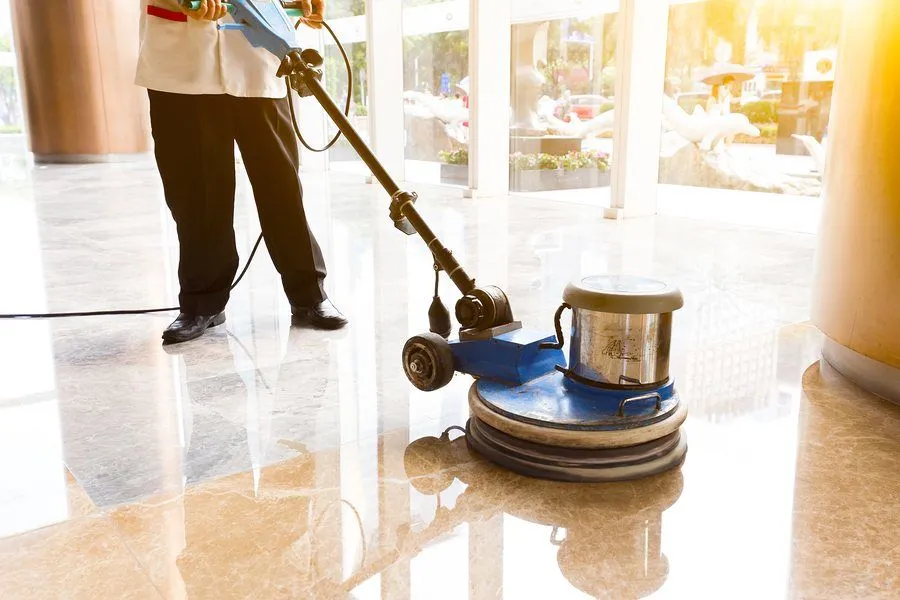

Marble floors are a timeless symbol of luxury and elegance, a common sight in Dubai’s stunning homes and commercial spaces. However, over time, even the most exquisite marble can lose its luster, becoming dull, scratched, and stained. That’s where professional marble floor polishing services come in. If you’re in Dubai and wondering how to bring back the dazzling shine to your marble, you’ve come to the right place.
We’ve compiled a comprehensive guide based on the most common questions people ask about marble floor polishing in Dubai, ensuring you have all the information you need to make an informed decision.
Your Marble Floor Polishing FAQs Answered:
1. Why is marble floor polishing important for my Dubai property?
Beyond aesthetics, marble polishing offers numerous benefits. Dubai’s climate and active lifestyle can take a toll on floors. Polishing not only restores the original shine and beauty, making your space look more luxurious and inviting, but also removes minor scratches, etch marks, and stains. Crucially, it hardens the marble’s surface, making it more resistant to future wear, scratches, and liquid absorption, effectively extending its lifespan and reducing long-term maintenance costs. A well-maintained marble floor also significantly enhances your property’s value.
2. How often should I get my marble floors polished in Dubai?
The frequency largely depends on the traffic and usage of your floor. For high-traffic areas like commercial spaces or busy hallways, polishing every 6-12 months might be necessary. For residential marble floors, typically, a professional polishing every 12-24 months is recommended. Factors like cleaning frequency, type of dirt (e.g., sand near beaches), and your standards for shine also play a role. Regular dusting and using pH-neutral cleaners can help prolong the polished finish.
3. Can polishing remove deep scratches and stubborn stains?
While polishing can effectively remove most surface-level imperfections, including minor scratches, etch marks, and common stains, deep scratches or extensive damage might require a more intensive process called “honing” or “grinding” before polishing. Honing uses coarser abrasives to level the surface and remove deeper imperfections, creating a smooth base for the final polishing. Professional companies assess the condition of your marble to determine the most suitable treatment.
4. What is the process of professional marble floor polishing?
A typical professional marble polishing process involves several key steps:
- Inspection and Preparation: The service begins with a thorough inspection of your marble to identify the type of marble, assess its condition, and locate any deep scratches, stains, or uneven areas. The floor is then meticulously cleaned to remove all loose dirt, dust, and debris.
- Grinding (if needed): If there are deep scratches, uneven tiles (lippage), or significant damage, grinding with specialized diamond tools is performed to level the surface and remove imperfections.
- Honing: This step refines the surface using progressively finer abrasive pads to remove smaller scratches and prepare the marble for polishing, creating a smoother finish.
- Polishing: High-quality polishing powders, compounds, and industrial diamonds are used with specialized machinery to bring out the marble’s natural shine and luster. This step can achieve various finishes, from a satin glow to a high-gloss, mirror-like reflection.
- Crystallization (Optional): Some services offer crystallization, which involves a chemical treatment that reacts with the marble to form a thin, protective, and highly reflective layer, further enhancing gloss and durability.
- Sealing: A premium sealer is applied to the polished marble. This protective layer penetrates the pores of the stone, making it more resistant to future stains, moisture, and etching, and extending the lifespan of the shine.
- Final Inspection: A final check ensures the desired results are achieved and any necessary touch-ups are made.
5. Is marble floor polishing safe for my family and pets?
Reputable marble polishing services in Dubai prioritize safety. They use eco-friendly, non-toxic, and pH-neutral products that are safe for your family, children, and pets. Always inquire about the products and chemicals used by the service provider to ensure they meet your safety standards.
6. Will polishing make my floors slippery?
Properly polished and sealed marble floors should not be excessively slippery. In fact, the smooth, even surface created by polishing, combined with effective sealing, can often reduce the risk of slipping by preventing dirt and debris from accumulating and creating uneven traction.
7. How much does marble floor polishing cost in Dubai?
The cost of marble floor polishing in Dubai typically ranges from AED 30 to AED 75 per square foot. This wide range depends on several factors:
- Size of the Area: Larger areas will naturally cost more.
- Condition of the Marble: Heavily damaged, scratched, or stained marble requiring extensive grinding or restoration will be more expensive.
- Type of Marble: Some delicate or rare marble types may require more specialized care, impacting the cost.
- Desired Finish: A high-gloss, mirror-like finish might involve more stages and thus cost slightly more.
- Company Reputation and Expertise: Established companies with highly skilled technicians and advanced equipment may charge a premium for their quality of service.
It’s always recommended to get a free consultation and a detailed quote from multiple reputable service providers in Dubai.
Investing in professional marble floor polishing services in Dubai is an investment in the longevity and beauty of your property. By understanding the process, benefits, and common considerations, you can ensure your marble floors continue to impress for years to come.