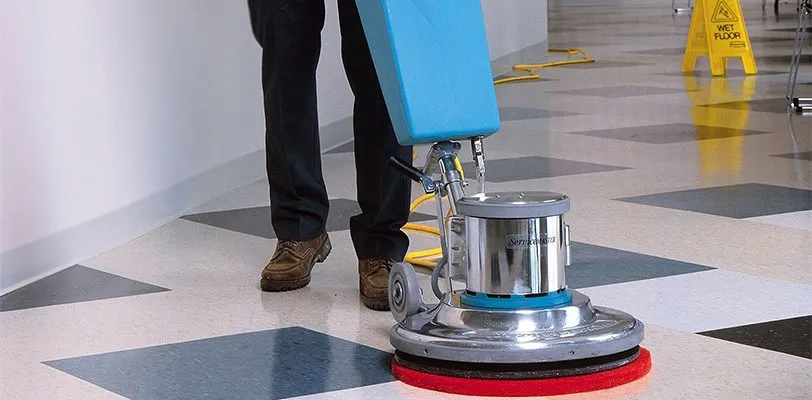

When you walk into a pristine medical facility in Dubai, the first thing that strikes you is the immaculate appearance of the floors and walls. Behind this spotless environment lies a specialized service that many property owners overlook: professional medical tile and grout care. This isn’t just about aesthetics – it’s about maintaining the highest standards of hygiene and safety that healthcare environments demand.
Dubai’s healthcare sector has grown tremendously, with world-class hospitals, clinics, and medical centers setting benchmarks for cleanliness and patient care. The tile and grout surfaces in these facilities face unique challenges that require expert attention and specialized maintenance protocols.
Why Medical Tile & Grout Care Matters in Dubai Healthcare
Medical facilities operate under strict hygiene standards, and every surface must meet these requirements. Tile and grout in hospitals, clinics, laboratories, and dental offices endure constant exposure to medical-grade disinfectants, bodily fluids, and heavy foot traffic from staff, patients, and visitors.
In Dubai’s climate, where humidity levels can fluctuate dramatically between air-conditioned interiors and the outdoor environment, grout lines become particularly vulnerable to moisture retention and bacterial growth. Without proper care, these areas can harbor harmful microorganisms, compromising the sterile environment that medical facilities must maintain.
Professional medical tile and grout care services ensure compliance with health regulations while preserving the substantial investment made in quality flooring materials. Clean, well-maintained surfaces also contribute to patient confidence and staff morale, creating an environment that reflects the facility’s commitment to excellence.
Dubai’s Climate Challenges for Medical Facility Maintenance
The UAE’s unique environmental conditions present specific challenges for maintaining medical tile and grout surfaces. The combination of extreme outdoor heat and aggressive indoor air conditioning creates constant temperature fluctuations that cause tile and grout materials to expand and contract repeatedly.
High humidity levels, particularly during summer months, can penetrate porous grout lines, creating ideal conditions for mold and bacterial growth. This is especially problematic in medical settings where sterility is paramount. Additionally, the fine sand particles that are characteristic of Dubai’s desert environment can infiltrate facilities through air systems and foot traffic, settling into grout lines and creating abrasive conditions that accelerate wear.
The frequent use of powerful disinfectants and cleaning chemicals in medical facilities can also degrade grout over time, making professional restoration and protection services essential for long-term maintenance.
Professional Medical Tile and Grout Care Process
Effective medical tile and grout care services follow a systematic approach designed to meet healthcare industry standards. The process typically begins with a thorough assessment of the facility, identifying high-traffic areas, problem zones, and specific contamination risks.
The cleaning phase involves specialized equipment and hospital-grade disinfectants that penetrate deep into grout pores to eliminate bacteria, fungi, and other pathogens. Steam cleaning and pressure washing techniques remove embedded contaminants that regular mopping cannot reach.
Grout restoration may include color sealing to restore uniformity and create a protective barrier against future staining and bacterial penetration. In severe cases, grout removal and replacement might be necessary to ensure complete sanitation.
The final step involves applying medical-grade sealants that meet healthcare facility requirements. These sealants create a non-porous surface that resists bacterial growth while making future cleaning more effective and efficient.
Best Practices for Ongoing Medical Facility Maintenance
Property managers and facility directors can significantly extend the life of their tile and grout investments through proper daily maintenance protocols. Implementing a structured cleaning schedule that includes both routine and deep cleaning helps prevent the buildup of contaminants that require intensive professional intervention.
Training cleaning staff on proper techniques and approved cleaning products ensures consistency in maintenance quality. Using pH-neutral cleaners designed for medical environments prevents chemical damage to grout while maintaining necessary sanitation levels.
Regular inspections should focus on high-risk areas such as patient rooms, surgical suites, and restroom facilities where moisture and contamination risks are highest. Early identification of grout deterioration or staining allows for prompt professional intervention before problems become extensive and costly.
Maintaining proper ventilation and humidity control throughout the facility helps prevent moisture-related issues that can compromise grout integrity and create conditions for microbial growth.
Complementary Services for Comprehensive Facility Care
Medical tile and grout care services work most effectively when integrated with other specialized maintenance programs. Professional carpet cleaning in patient areas and administrative offices ensures comprehensive floor care throughout the facility.
Stone and marble restoration services may be needed for lobby areas and high-end patient suites where natural stone surfaces require specialized care. Window cleaning services maintain the bright, clean appearance that patients and visitors expect from quality healthcare facilities.
Regular deep cleaning of air ducts and HVAC systems helps reduce the circulation of contaminants that can settle on floor surfaces, making tile and grout maintenance more effective and longer-lasting.
Upholstery cleaning for waiting room furniture and patient seating areas complements floor care by addressing all textile surfaces where bacteria and contaminants might accumulate.
Maintenance Tips for Healthcare Property Owners
Successful long-term maintenance requires a proactive approach that combines professional services with effective daily care protocols. Establish relationships with certified medical facility cleaning services that understand healthcare regulations and industry-specific requirements.
Schedule professional medical tile and grout care services regularly rather than waiting for visible problems to develop. Quarterly deep cleaning and annual restoration services typically provide optimal results for most medical facilities.
Document all maintenance activities to ensure compliance with health department regulations and insurance requirements. This documentation also helps track the effectiveness of different maintenance approaches and products.
Invest in quality entrance matting systems to reduce the amount of dirt, sand, and moisture that enters the facility. This simple step significantly reduces the contamination load on tile and grout surfaces throughout the building.
Consider upgrading to antimicrobial grout products during renovation projects to enhance the facility’s natural resistance to bacterial growth and reduce ongoing maintenance requirements.
Conclusion
Professional medical tile and grout care services represent a critical investment in maintaining the highest standards of cleanliness and safety that Dubai’s healthcare facilities demand. The unique challenges posed by the local climate, combined with the stringent requirements of medical environments, make specialized care essential rather than optional.
By understanding the importance of proper maintenance and working with qualified professionals who understand both healthcare regulations and local environmental conditions, facility managers can ensure their tile and grout surfaces continue to meet the exacting standards that patients and staff expect. Regular professional care, combined with effective daily maintenance protocols, creates a foundation for long-term facility excellence that reflects positively on the quality of medical care provided within.